Moving to Bastrop County, Texas? 15 Things You Need to Know Before You Move (2026 Guide)
Thinking about moving to Bastrop County, Texas?
Maybe you've heard about SpaceX's expansion, the area's small-town charm, or the fact that you can still get more home for your money than in Austin. Whatever brought Bastrop County onto your radar, there are a few things you should know before making the move.
As a local Bastrop County Realtor, I've helped many families relocate to the area. Some things people absolutely love after moving here. Others catch them completely by surprise.
If you're considering living in Bastrop County, here's what you need to know before packing the moving truck.
1. Bastrop County Is Growing Fast
Bastrop County is one of the fastest-growing areas in Central Texas.
The county's population is approaching 120,000 residents and is projected to continue growing rapidly over the next decade. Much of this growth is fueled by Austin's expansion, job growth, and major employers investing in the region.
If you're moving here, understand that you're arriving during a major growth cycle.
2. SpaceX Is Changing Bastrop County
It's impossible to talk about Bastrop County without mentioning SpaceX.
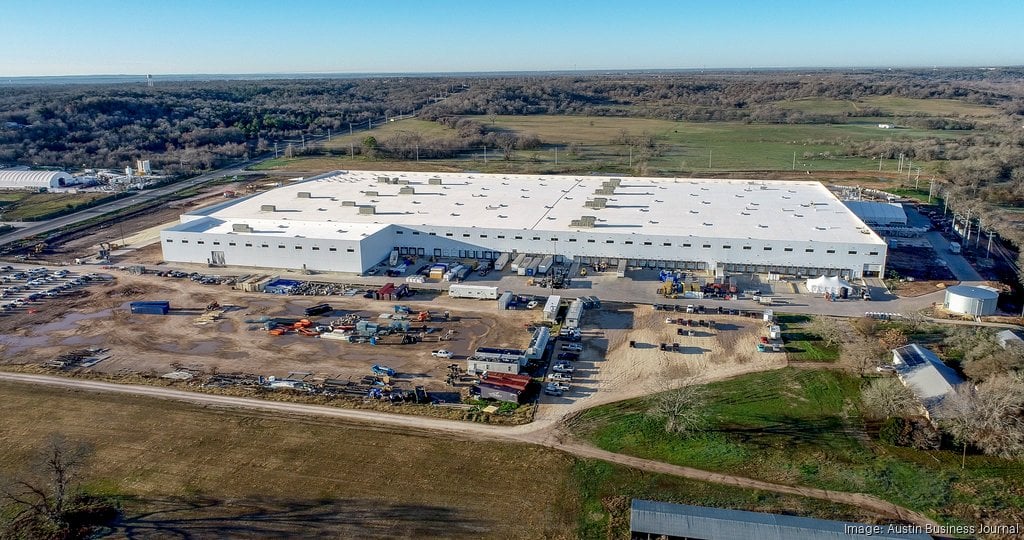
SpaceX, Starlink, The Boring Company, and X all have a growing presence in the county. Starlink continues expanding operations and bringing hundreds of jobs to the area.
As a result, many new residents relocating to Bastrop County work in technology, engineering, manufacturing, or related industries.
The impact of Elon Musk's companies on the local economy is substantial and continues to grow.
3. You're Not Just Moving to Bastrop
One of the biggest misconceptions newcomers have is assuming everything in the county is "Bastrop."
Bastrop County includes:
- Bastrop
- Cedar Creek
- Elgin
- Smithville
- Red Rock
- McDade
- Paige
- Numerous rural communities
Each area offers a completely different lifestyle.
You can drive 15 minutes and experience a dramatically different housing market, commute, school district, and community atmosphere.
4. Commute Times Can Be Misleading
Many people look at a map and think, "Austin is only 30 minutes away."
Reality can be different.
Highway 71 often experiences congestion during rush hour and periods of heavy growth. Depending on where you work, your commute can vary significantly.
Sometimes purchasing a home farther east can save tens of thousands of dollars, but cost several hours per week in additional driving.
Always test the commute before buying.
5. Housing Is Still More Affordable Than Austin
One of the biggest reasons people move to Bastrop County is affordability.
Compared to many Austin neighborhoods, buyers can often find:
- Larger homes
- Bigger lots
- Newer construction
- More privacy
- Lower purchase prices
While home values have increased over the past decade, Bastrop County still offers a strong value proposition compared to Austin and many surrounding suburbs.
6. Property Taxes Matter More Than You Think
Texas doesn't have a state income tax, but property taxes help make up the difference.
Tax rates vary significantly throughout Bastrop County.
Some neighborhoods have additional taxes through Municipal Utility Districts (MUDs) or other special taxing entities.
Two homes with identical purchase prices can have dramatically different monthly payments simply because of tax rates.
Always review the effective tax rate before making an offer.
7. School Districts Depend on Location
School boundaries vary throughout the county.
Depending on where you purchase, your children may attend:
- Bastrop ISD
- Elgin ISD
- Smithville ISD
- McDade ISD
Families relocating from out of state often assume all schools are essentially the same. That's rarely the case.
School district research should be a key part of your home search.
8. Rural Living Isn't for Everyone
Many buyers dream about owning acreage.
Then reality sets in.
Rural properties may include:
- Septic systems
- Private wells
- Dirt roads
- Wildlife encounters
- Limited utility options
Some people love the independence and privacy. Others discover they prefer neighborhood amenities and city services.
Understanding the difference beforehand can save a lot of frustration.
9. Internet Service Varies Across the County
If you work remotely, internet availability should be one of your first questions.
Bastrop County has received substantial investment in broadband infrastructure, and Starlink has become a popular option for rural residents.
However, service quality can still vary dramatically by location.
Never assume a property has reliable high-speed internet without verifying it first.
10. The Lost Pines Make Bastrop Unique
One of the most unique features of Bastrop County is the Lost Pines ecosystem.
These towering pine forests create a landscape unlike anywhere else in Central Texas.
Many visitors describe it as feeling more like East Texas than the Austin area.
The Lost Pines are one of the reasons so many residents fall in love with Bastrop County.
11. More Development Is Coming
Growth isn't slowing down.
New developments continue to be announced throughout the county, including:
- Retail centers
- Restaurants
- Medical facilities
- Residential communities
- Mixed-use developments
The Bastrop County of 2030 will likely look very different from today's version.
12. Understand Floodplain Risks Before Buying
Floodplain research is critical in Bastrop County.
Areas near the Colorado River and its tributaries can have flood-related considerations.
Before purchasing a home, verify:
- FEMA floodplain status
- Flood insurance requirements
- Drainage concerns
- Historical flooding information
Never assume a property is risk-free without proper due diligence.
13. Small-Town Culture Still Exists
Despite rapid growth, Bastrop County still maintains much of its small-town character.
Residents often know their neighbors.
Community events matter.
Local businesses are supported.
High school football still draws crowds.
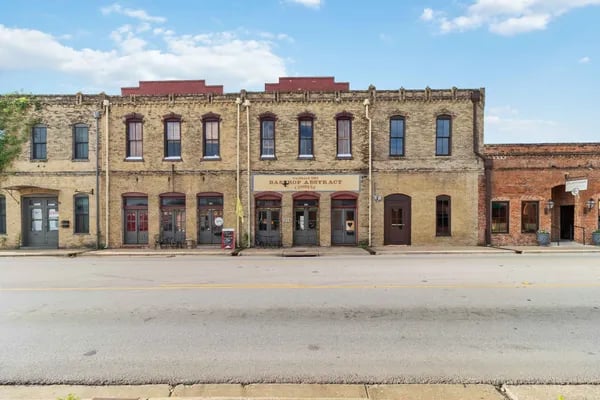
Downtown Bastrop remains one of the most charming historic districts in Central Texas.
For many people, this balance between growth and community is exactly what they're looking for.
14. More Jobs Are Staying Local
Historically, many residents commuted into Austin for work.
That trend is changing.
Major employers continue investing in Bastrop County, creating opportunities closer to home.
As more businesses relocate to the area, local employment options continue expanding.
The long-term trend points toward more jobs, more economic activity, and a stronger local economy.
15. Waiting Too Long Could Cost You
Nobody knows exactly what the real estate market will do next year.
However, the long-term fundamentals driving Bastrop County remain strong:
- Population growth
- Corporate investment
- Infrastructure improvements
- Retail expansion
- Housing demand
- Job creation
Many people aren't simply buying a home here.
They're buying into the future of one of Central Texas' fastest-growing counties.
Is Moving to Bastrop County Right for You?
Bastrop County offers a unique combination of affordability, growth, natural beauty, and small-town culture that's becoming increasingly difficult to find near Austin.
However, not every neighborhood, school district, tax rate, or commute is the same.
Doing your homework before purchasing can make the difference between loving where you live and regretting your decision.
If you're considering moving to Bastrop County and want help understanding neighborhoods, schools, commute times, future developments, or housing options, working with a local expert can save you time, money, and frustration.
About Judah Ross
Judah Ross is a Bastrop County Realtor who specializes in helping buyers relocate to Bastrop, Cedar Creek, Elgin, Smithville, Red Rock, and surrounding communities. Whether you're moving from Austin, another Texas city, or out of state, Judah can help you find the right property for your lifestyle and budget.
Contact Judah Ross today to learn more about living in Bastrop County, Texas.